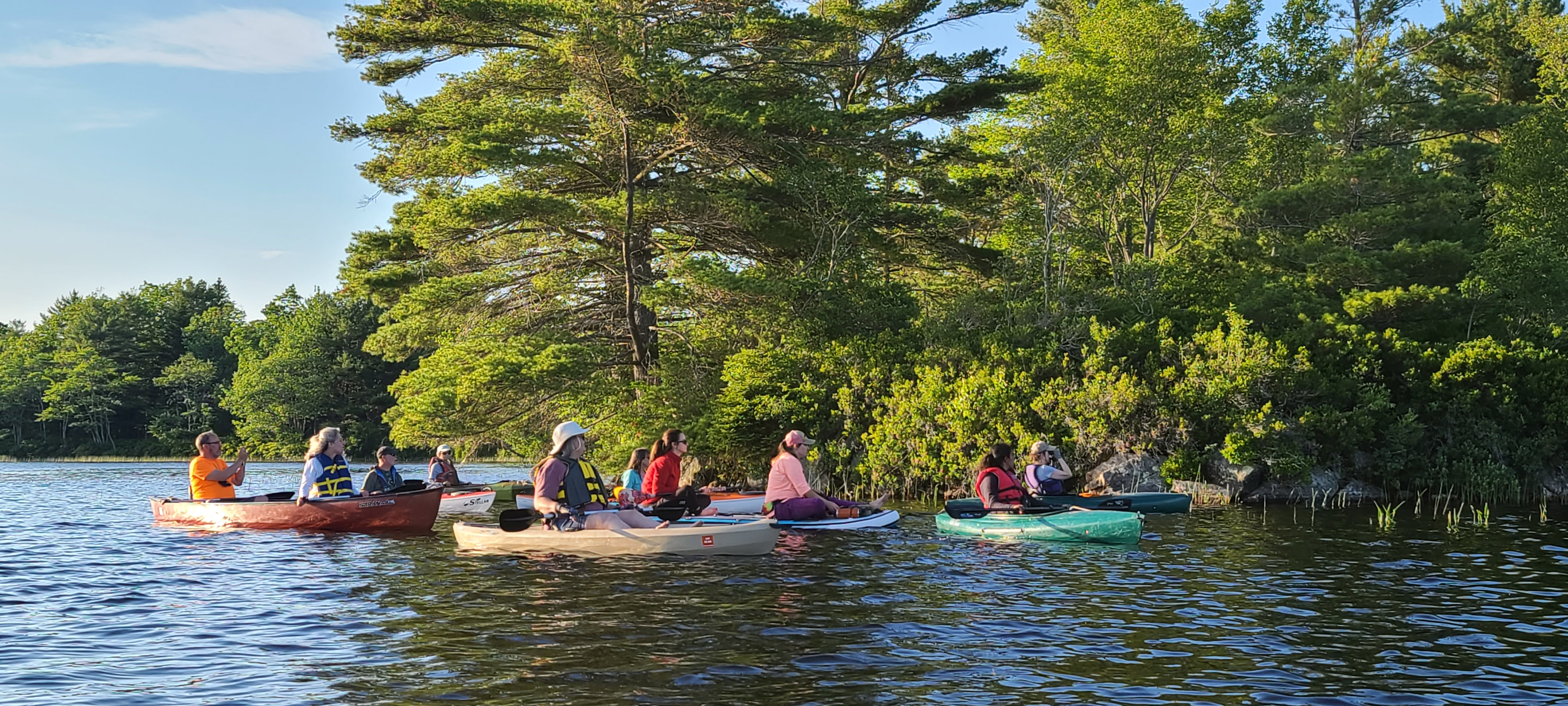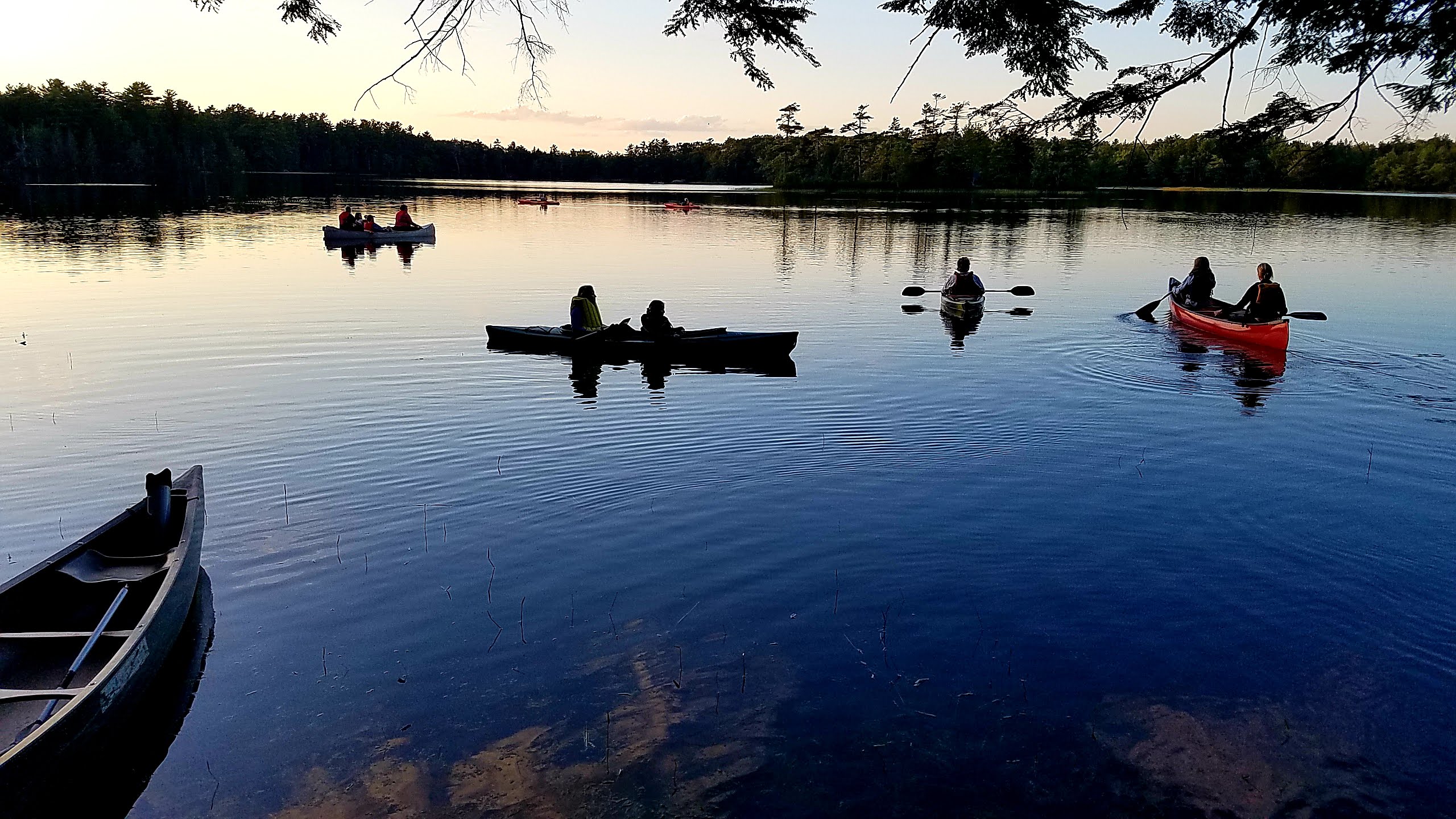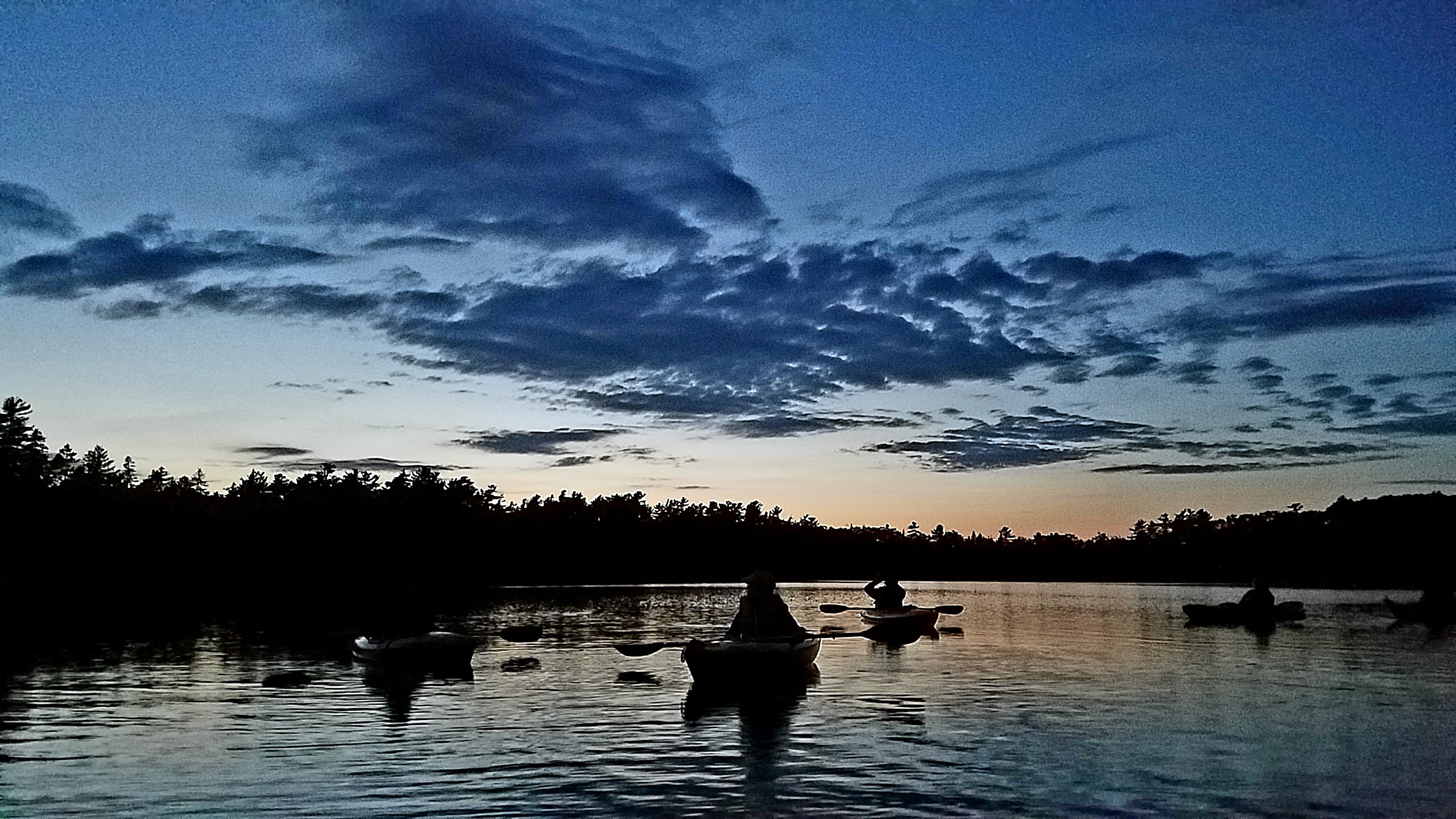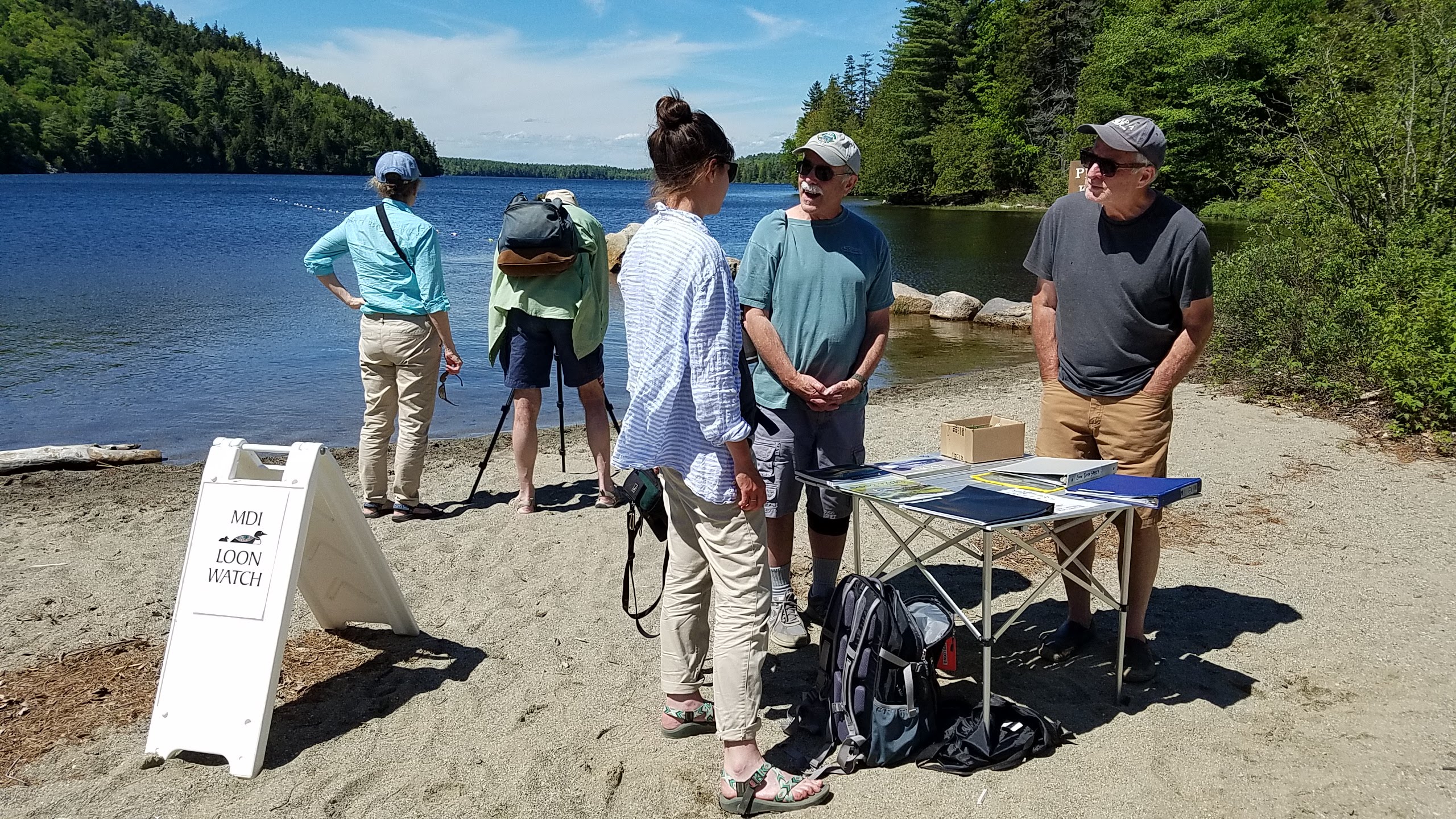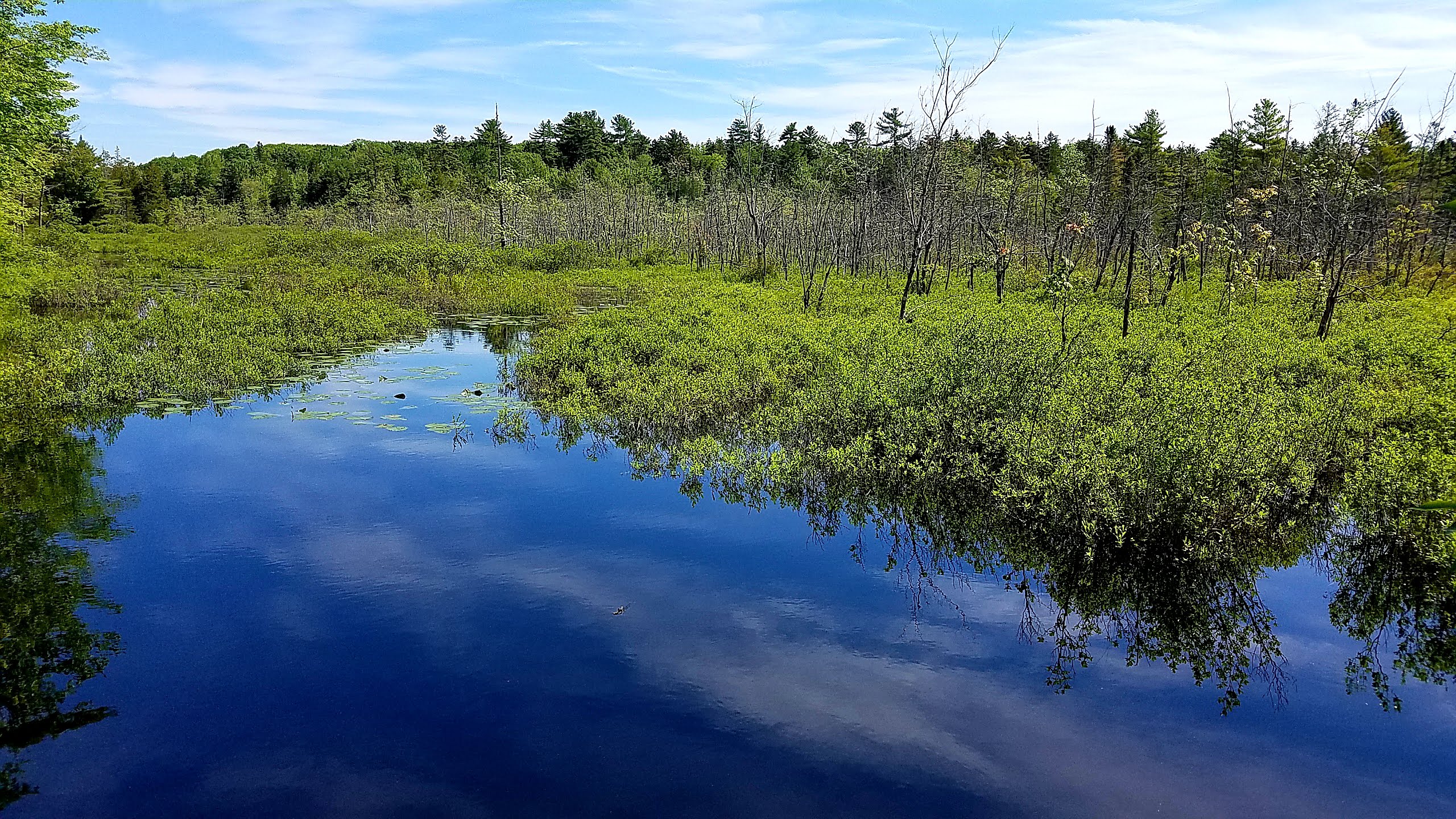
The Somes-Meynell Wildlife Sanctuary is a non-profit organization that protects land and water, conducts environmental research, and provides education programs in our local watershed and beyond.

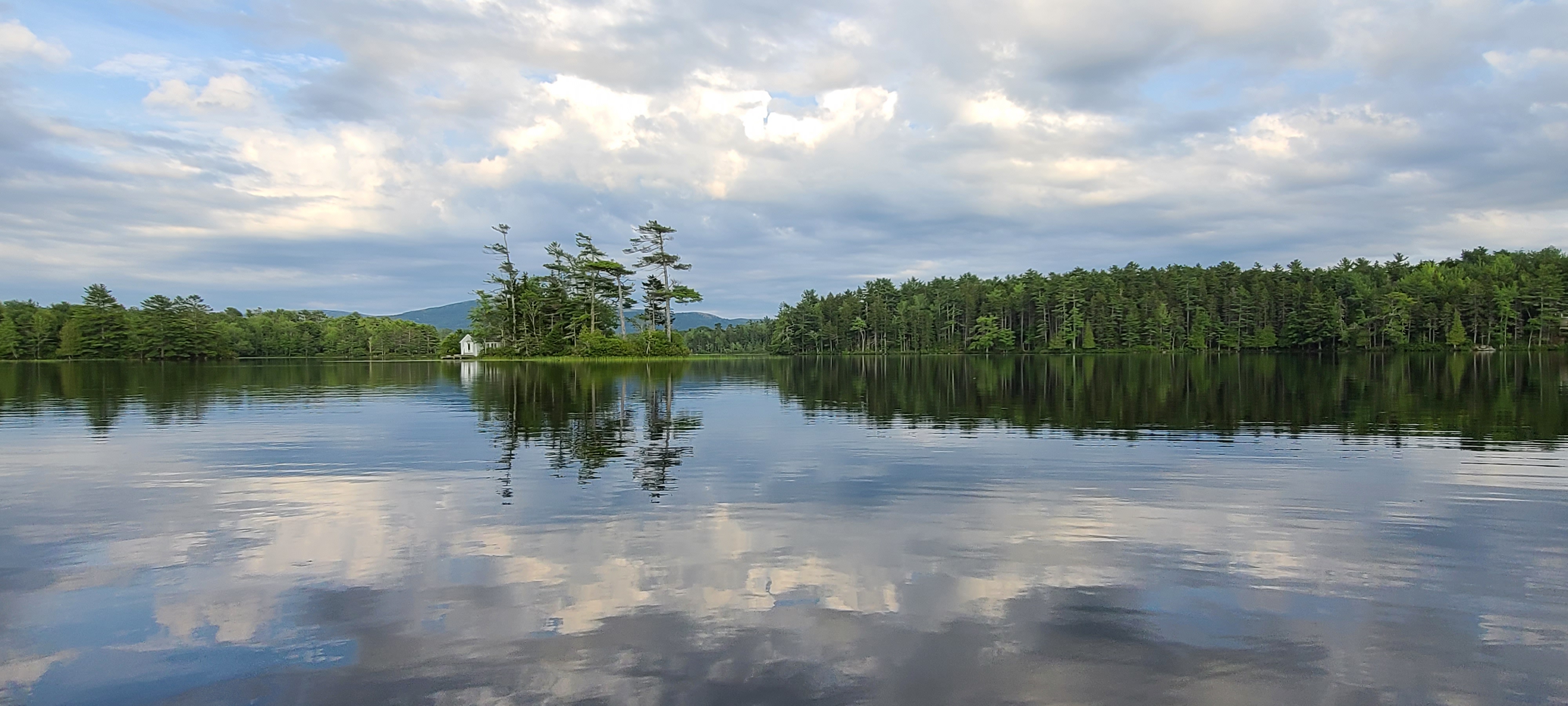
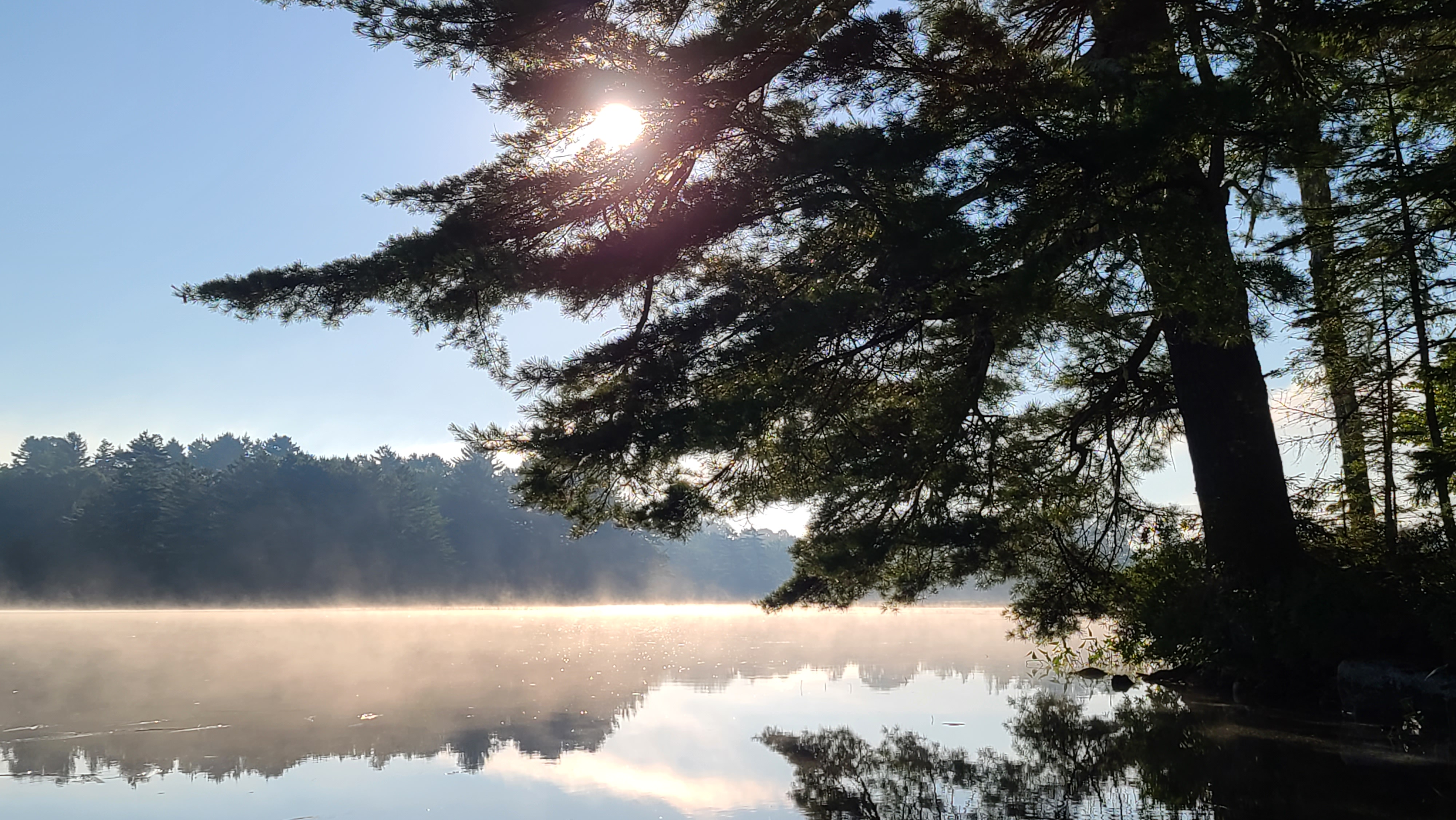
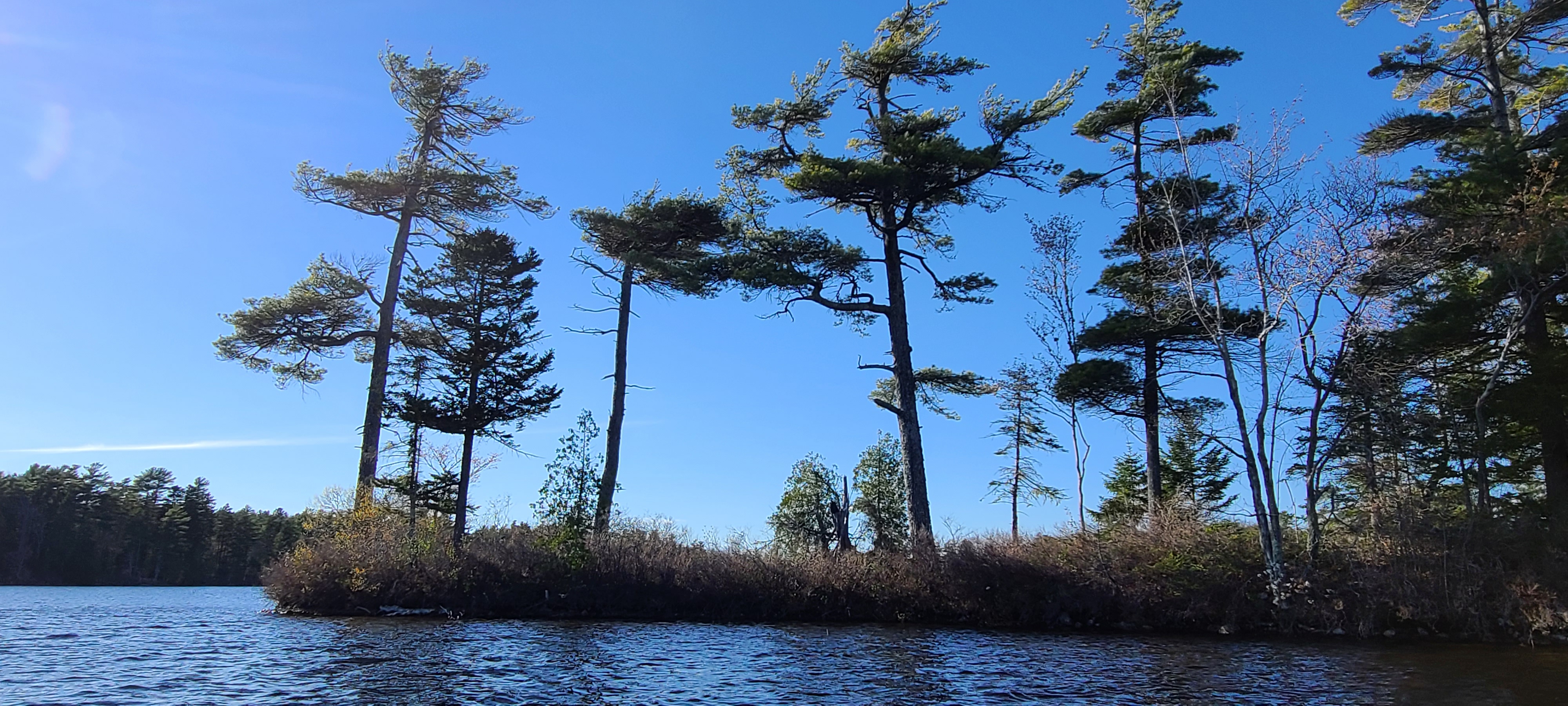
Located in the historic Maine coastal village of Somesville, on Mt. Desert Island, the Sanctuary protects and conserves over 250 acres of forested and wetland areas surrounding Somes Pond, and provides public access to these areas via well-maintained trails. We provide a variety of year-round natural history and conservation programs for local citizens, visitors, and schools. The Sanctuary’s headquarters building overlooks Somes Pond from the south shore and offers a great setting for education programs, workshops, and trainings. It is a popular meeting space for other organizations including our local school district and Acadia National Park.

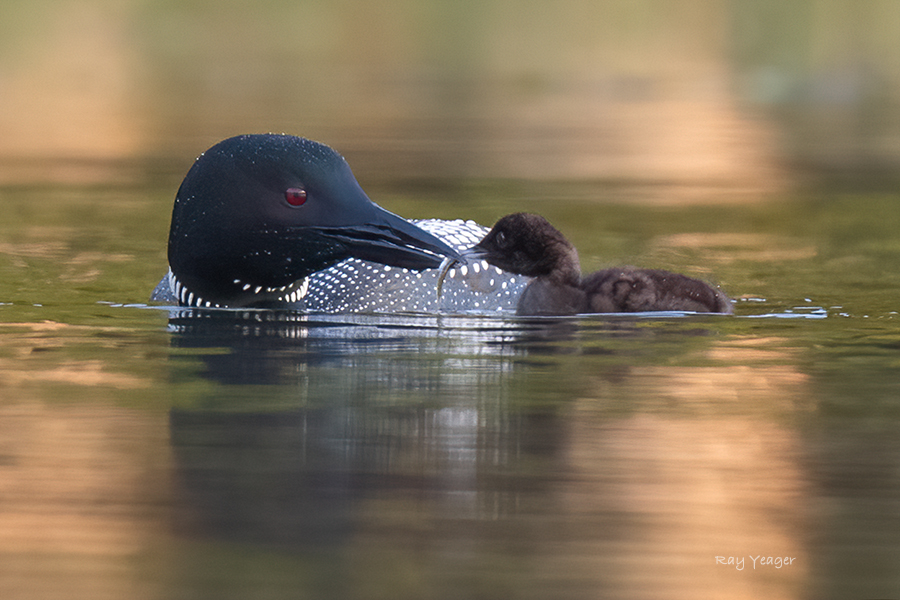
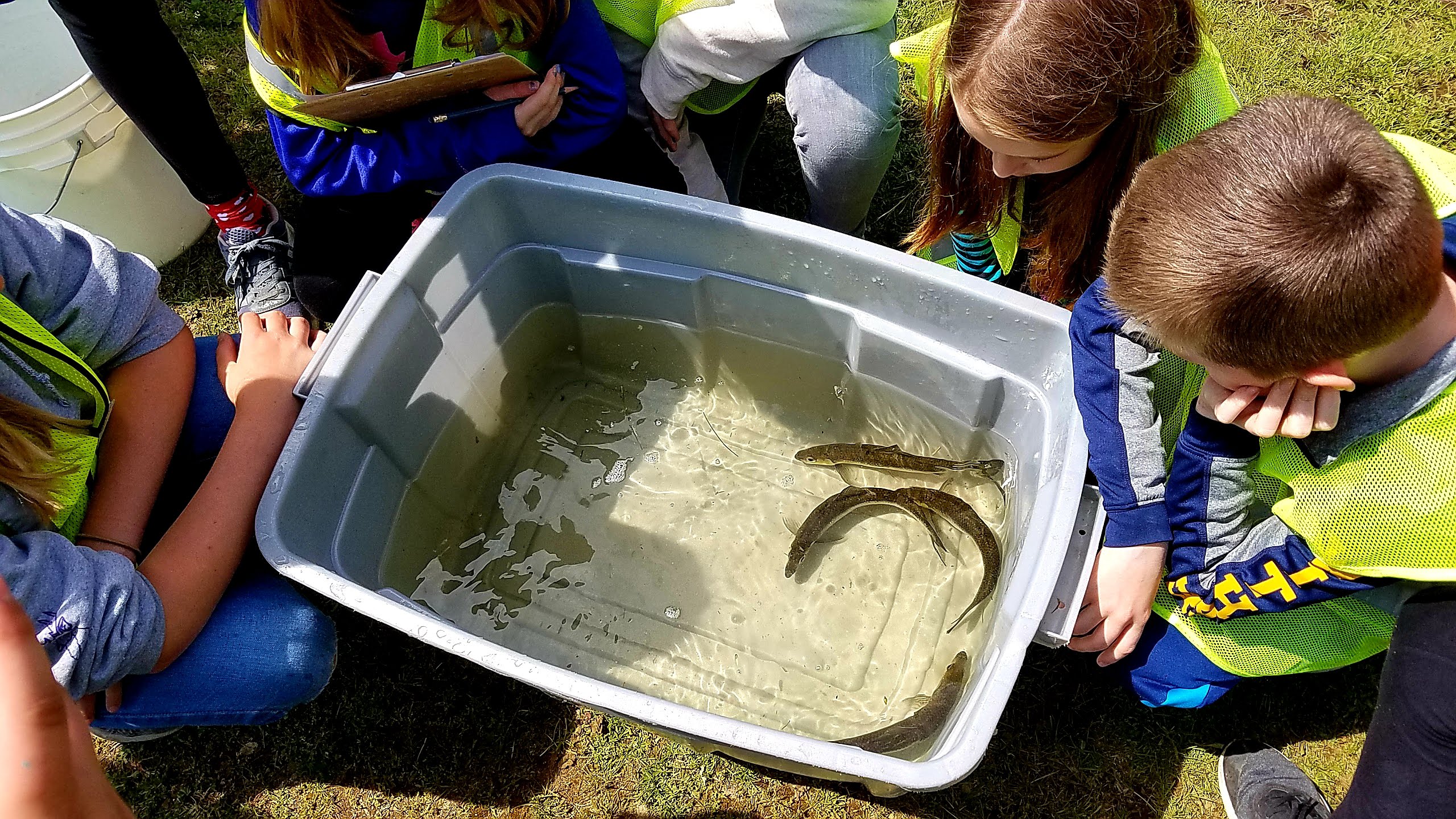
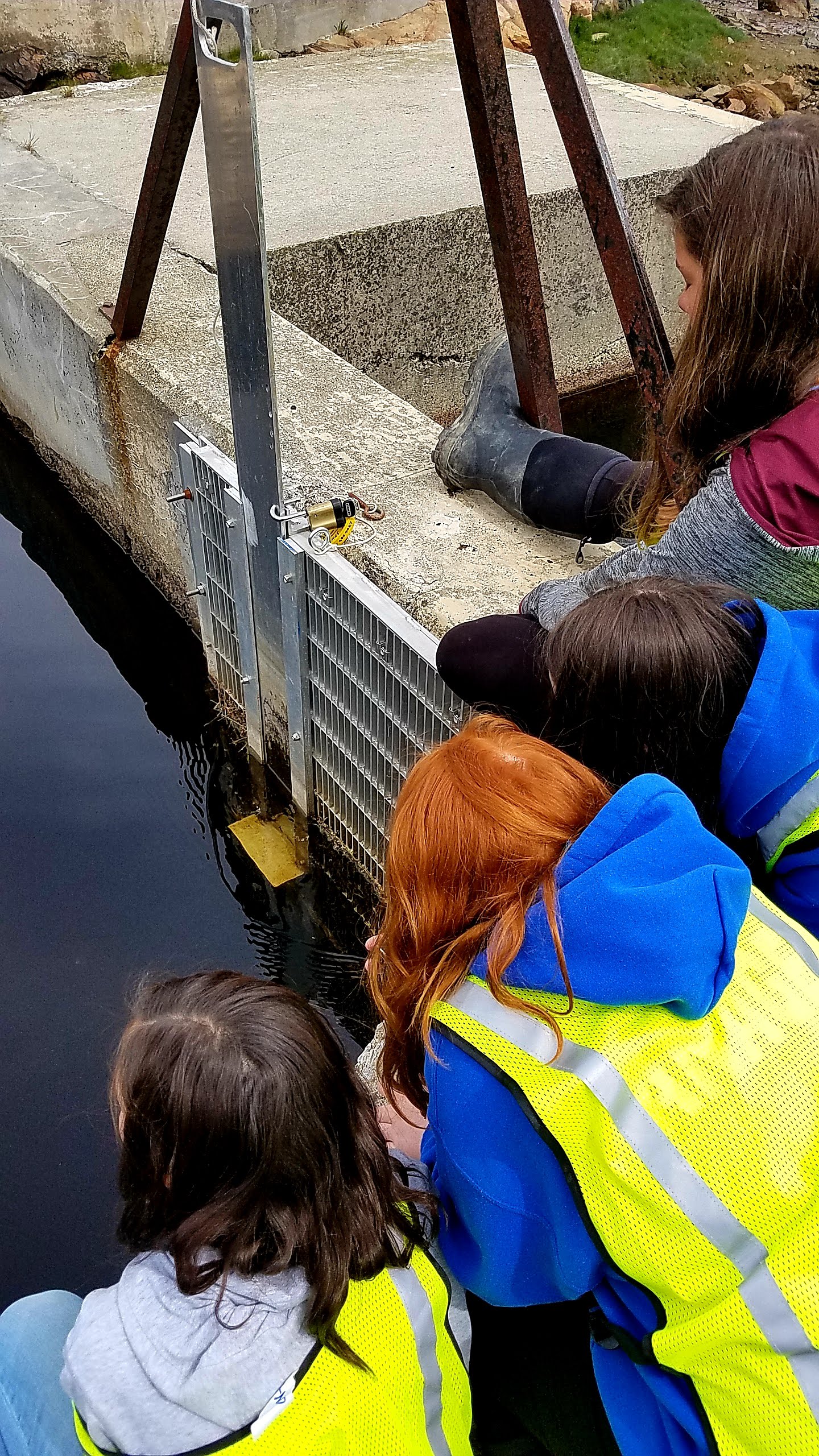
We study all of the common loons who nest on all the lakes of Mt. Desert Island, maintain fish passageways between Somes Harbor and Somes Pond and Long Pond, monitor the annual alewife (river herring) migration, sample and protect lake water quality, staff a Courtesy Boat Inspection station at Long Pond to help educate boaters about checking their equipment to minimize the likelihood of introducing aquatic invasive species, and many other projects.
Sign up for our email updates

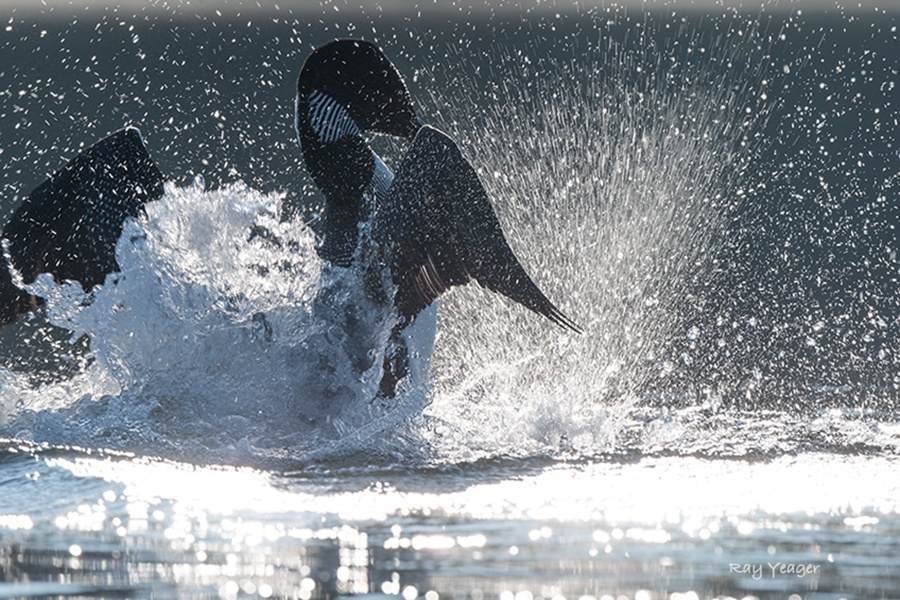
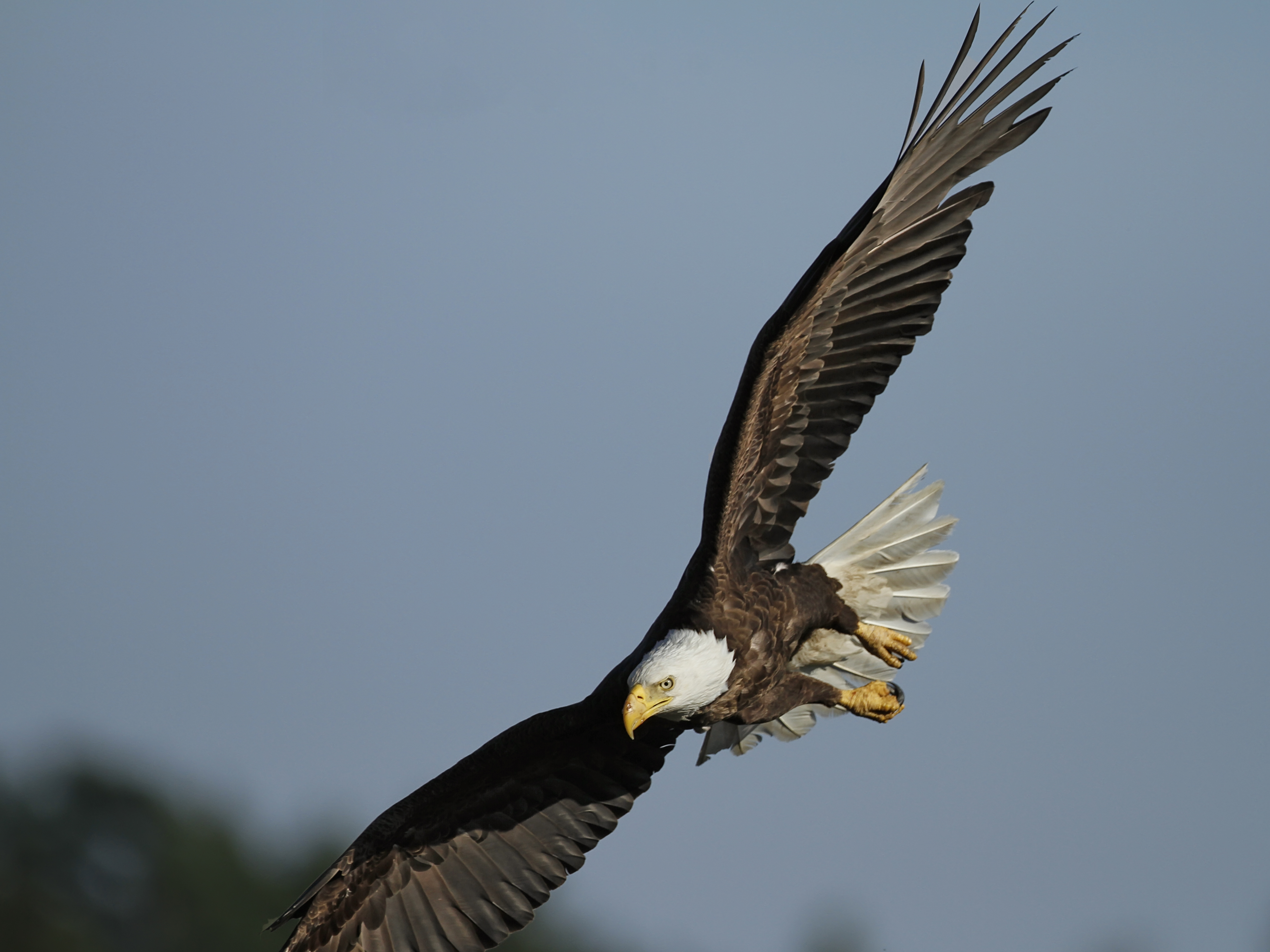
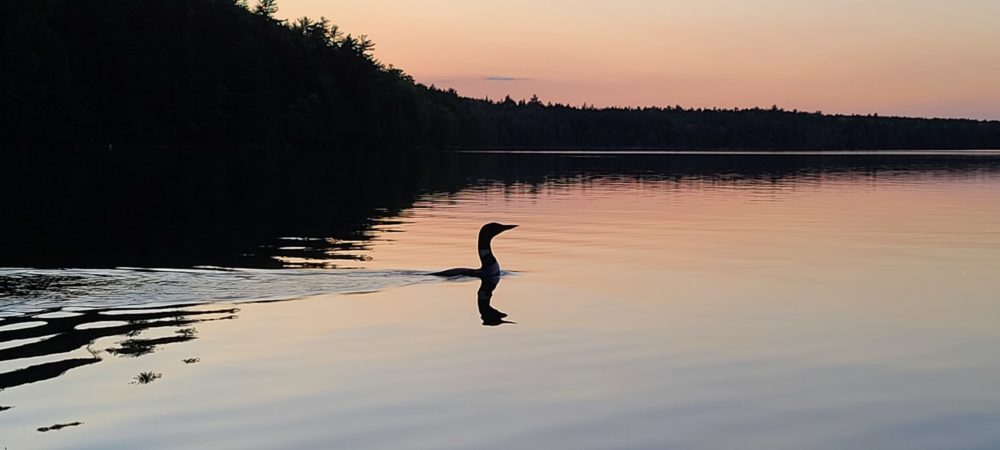
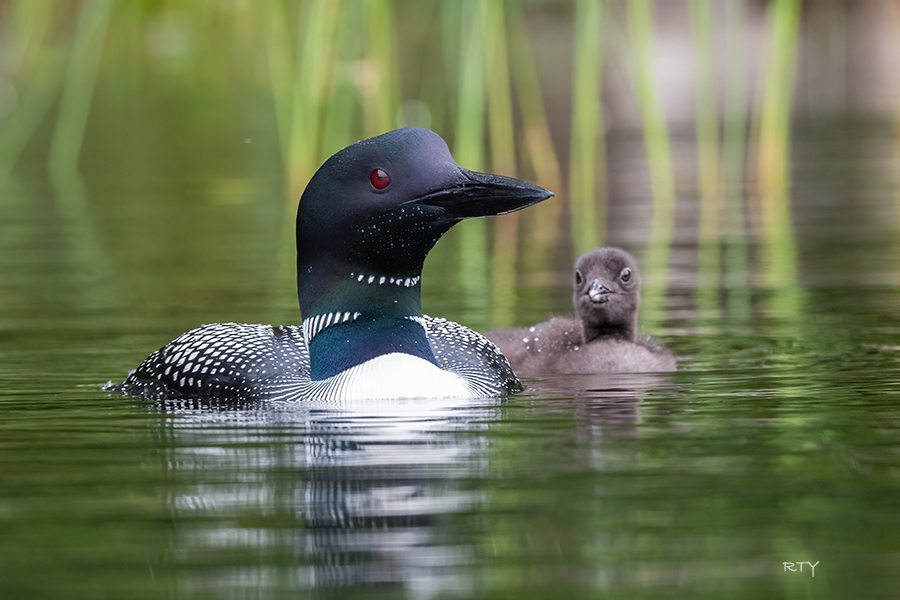
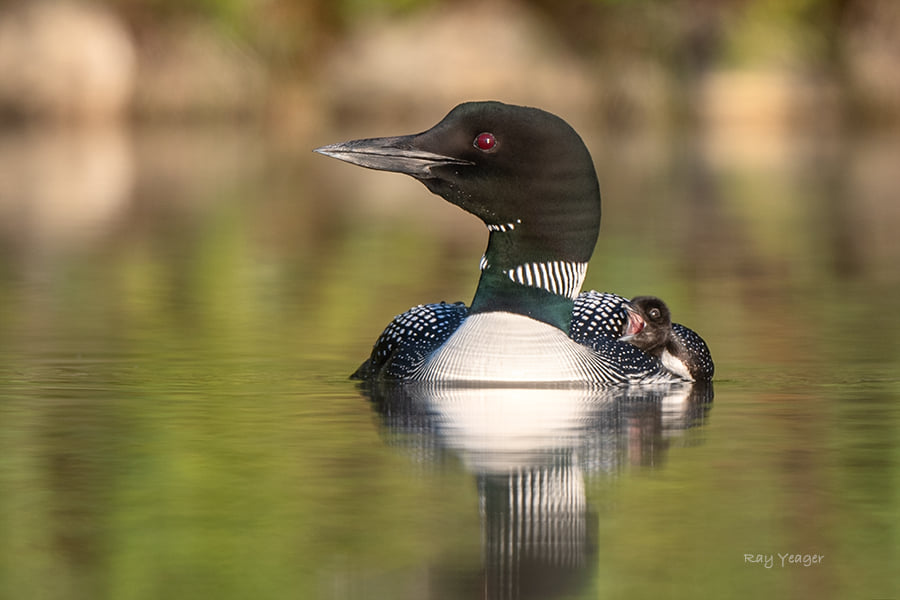
Somes Pond Loons 2021

Loon Monitoring Project

The Mount Desert Island Loon Monitoring Project began in 2002 as a collaboration between BioDiversity Research Institute of Gorham, Maine, the Somes-Meynell Wildlife Sanctuary, and Acadia National Park. The goal was to acquire reproductive population data of Mount Desert Island’s nesting loons for comparison with Maine state-wide averages.

Learn more.

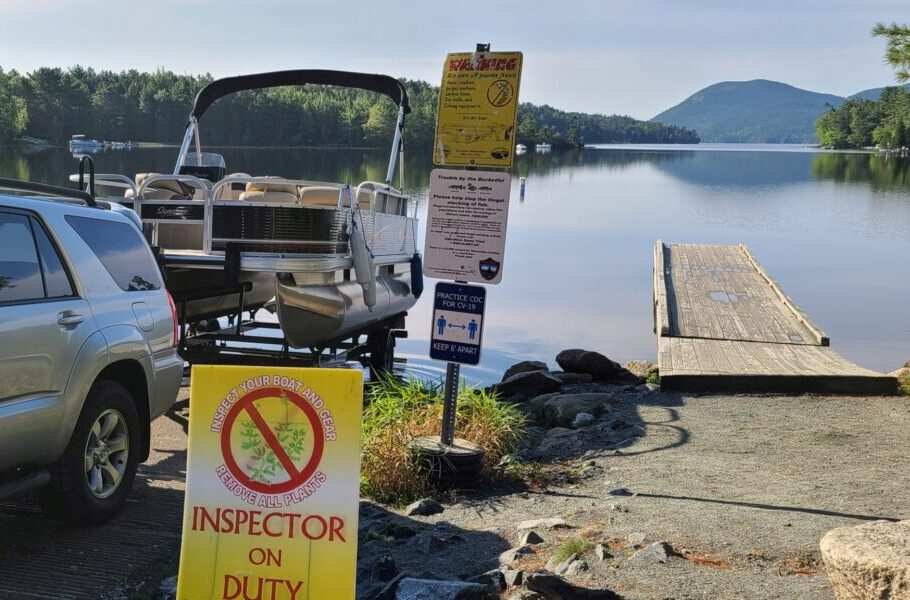
car backing boat into Long Pond

Courtesy Boat Inspection

Since 2010, the Somes-Meynell Wildlife Sanctuary has maintained a courtesy boat inspection program during the summer months at the Pond’s End landing of Long Pond. Long Pond is considered one of the best destinations for recreational boating/fishing on Mount Desert Island and Acadia National Park. Staff and volunteers from the Somes-Meynell Wildlife Sanctuary greet boaters as they prepare to launch their watercraft. Inspections take only a couple of minutes and are intended to help boaters get into the habit of inspecting their own boats each and every time they launch.

Learn More

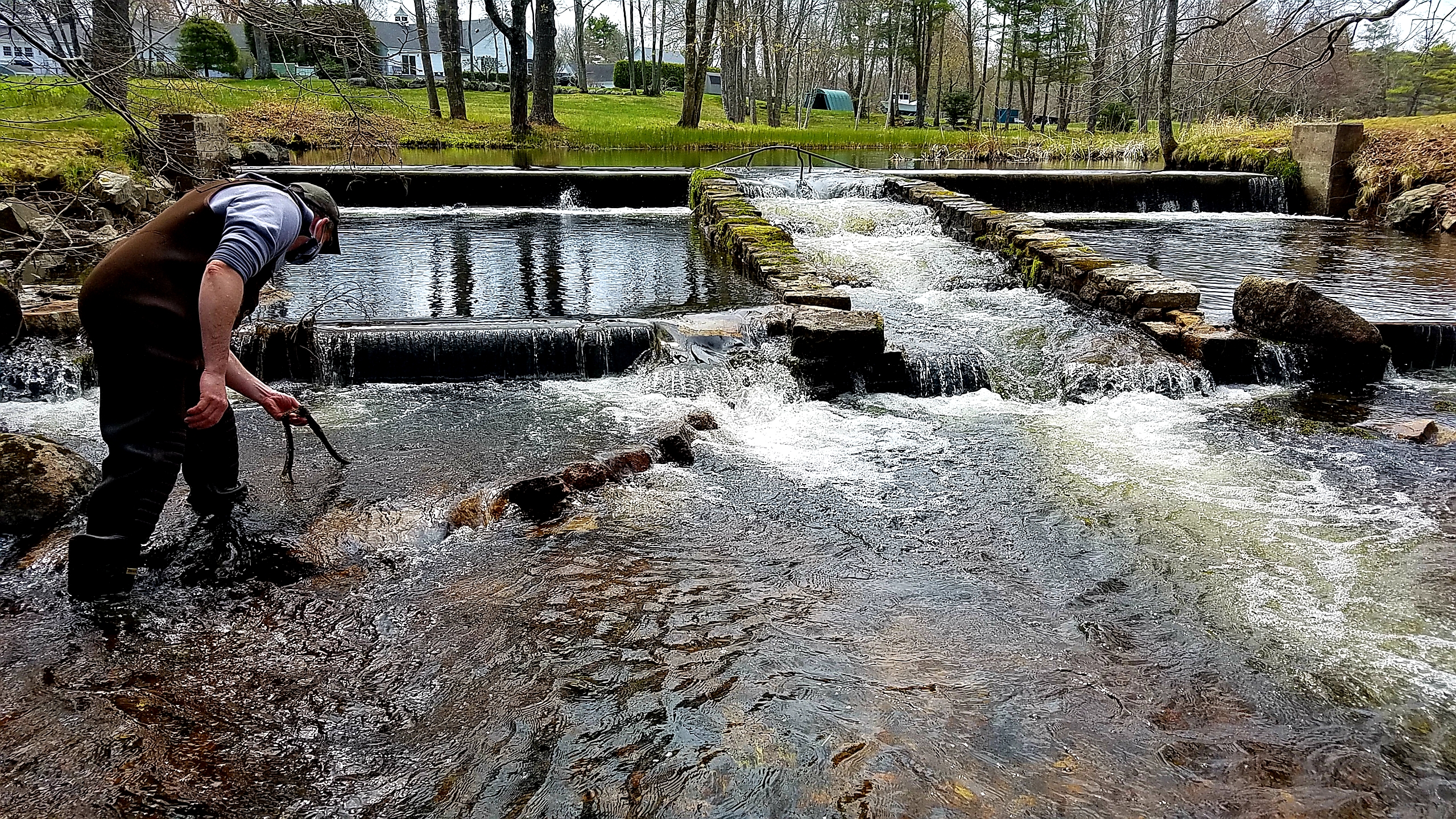
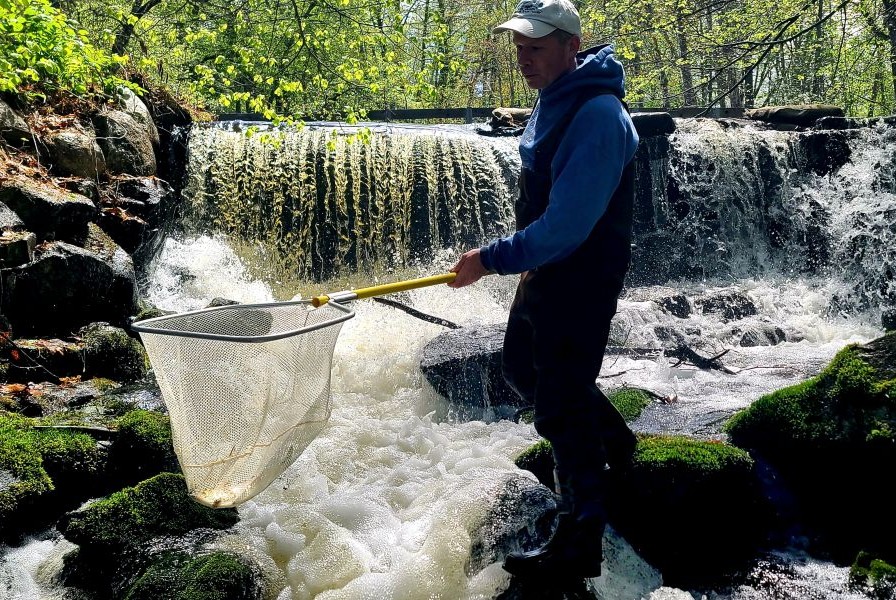
Rusty Taylor rounding up alewife below the 2nd dam spillway, May 21st, 2025.

Alewife Migration Study

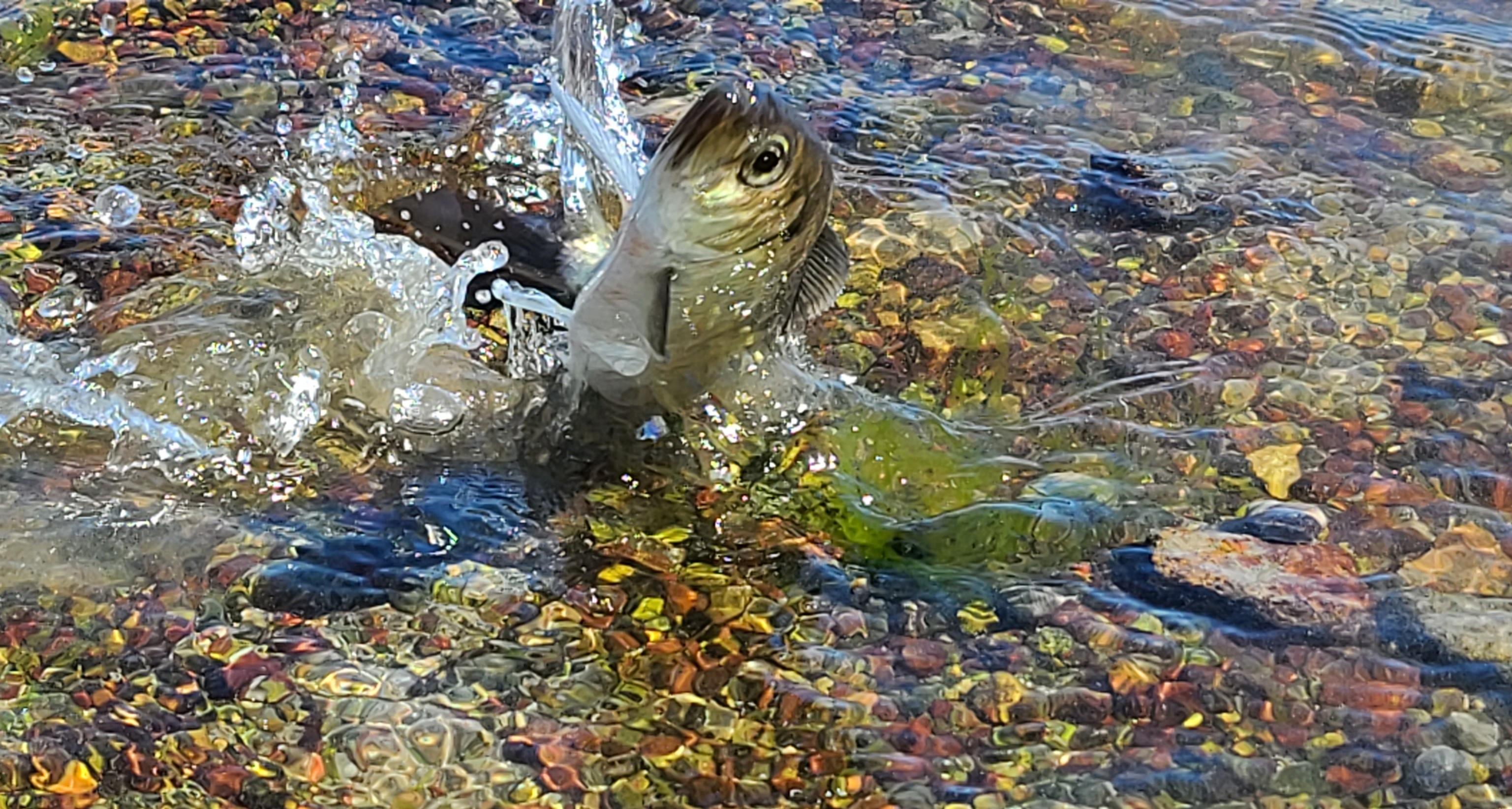
Most of the alewife entering the Mill Pond in Somesville after climbing the first fish ladder from the salt water cove below spawn in Somes Pond (104 acres). To get there they have to ascend three ladders from saltwater to Somes Pond to avoid the dams, and their impassable spillways, created for various types of mills in the later 1700s. In most years, about 10-30% of those fish go all the way to Long Pond (900 acres) a mile and a half inland. 

Learn More

sanctuary shoreline

Land Conservation

Land conservation around Somes Pond was started by Sanctuary Founder Virginia Somes Sanderson in 1985 with the donation of 32 acres on the south shore of the pond. Since then, there have been many pieces to the conservation effort that have come together to further protect this special place, thanks to the generosity and commitment of landowners and community members.

Learn more.

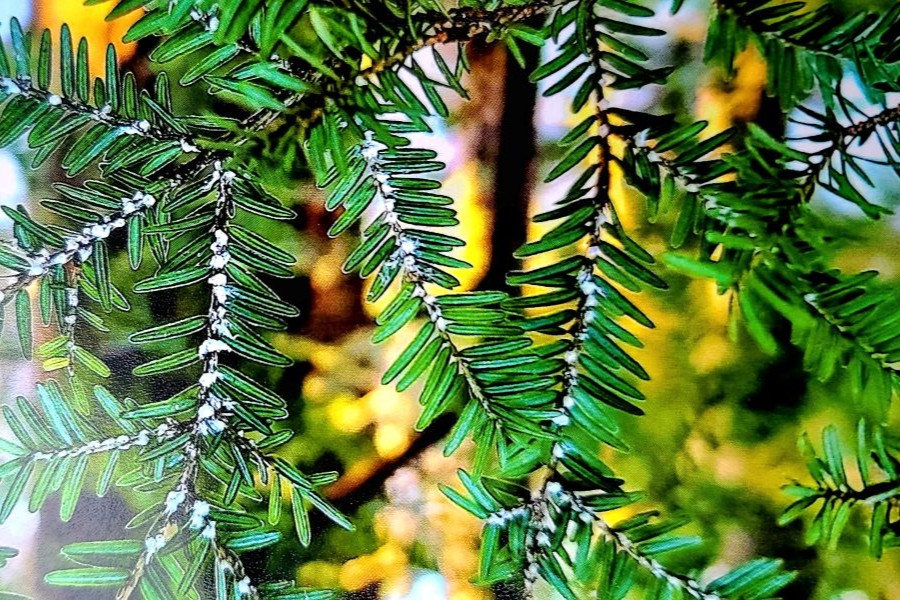
Branch infested with Hemlock Woolly Adelgid

Hemlock Woolly Adelgid

Hemlock Woolly Adelgid (HWA) is an aphid-like insect native to Asia that has plagued eastern hemlock trees in the Appalachian Mountains beginning in the 1950s and is now all the way up to our island in Maine where we know that it is spreading in our forests. Partner organizations including Acadia National Park, the Maine Forest Service, Land & Garden Preserve, and the Sanctuary have teamed up for several years to identify HWA locations, provide educational resources to landowners, and to start treating affected trees with predatory beetles that feed only on the adelgid insects.
Learn More

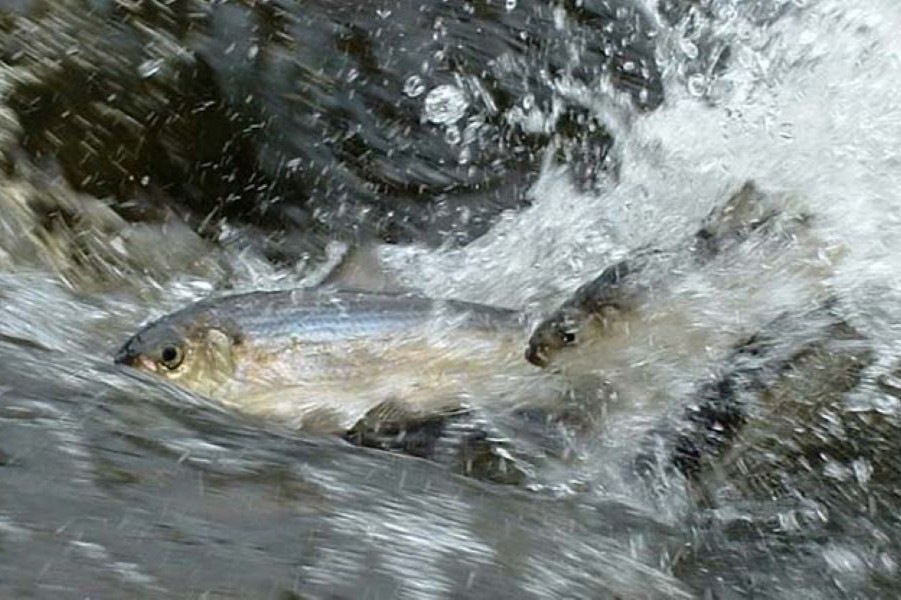
alewives swimming

Fish Passage Project

In 2005 the Somes-Meynell Wildlife Sanctuary took a leadership role and began to bring together a group of stakeholders to support the restoration of diadromous fish species in the Mill Pond drainage watershed of Mount Desert Island (MDI). The goal was to restore native sea-run fish populations, such as Alewife, American eel and Sea lamprey, to historic spawning and nursery habitat in one of MDI’s largest watersheds. The watershed comprises over 1,000 surface acres of lake and stream habitat.
Learn More